4 articles
Wyze announced a new version of its Ultra BodyScan smart scale that debuted nearly a year ago with additional electrodes on a retractable handle, allowing it to provide a breakdown of various health …
Wyze announced a new version of its Ultra BodyScan smart scale that debuted nearly a year ago with additional electrodes on a retractable handle, allowing it to provide a breakdown of various health metrics across your arms, legs, and torso. With the new Ultra BodyScan Plus, Wyze is introducing a redesign that moves the scale's […]
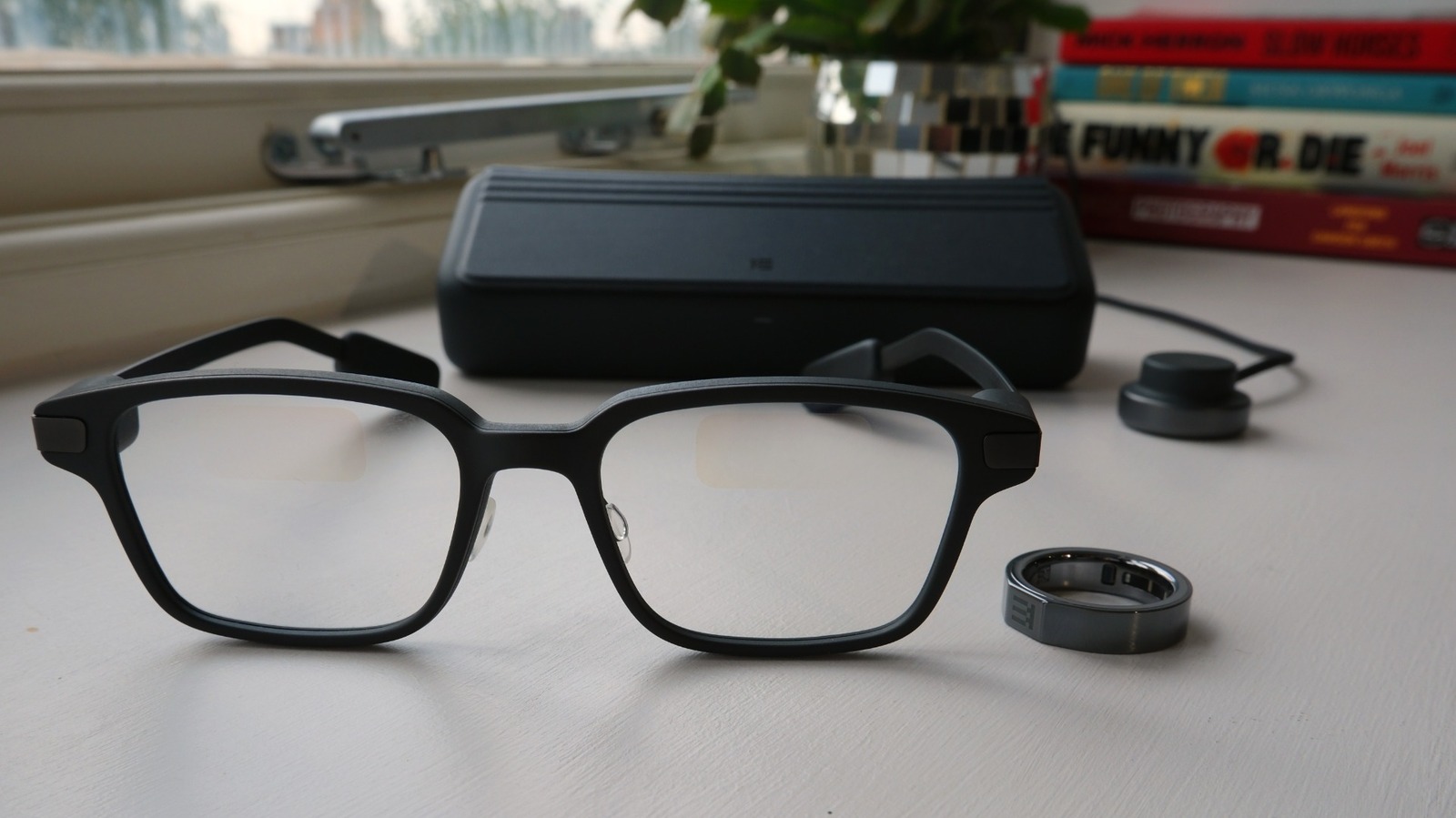
Even Realities makes one of the best smart glasses on the market, but controlling its growing feature set is harder than it should be.

Android TV owners are pointing Claude Code at their TVs over ADB to strip out ads, telemetry and bloat. Here's how it works and where it can go wrong.

This white paper explains how edge AI and physical AI help cities move beyond passive monitoring. It shows how urban infrastructure can sense, reason, and act on real-time conditions across public sa…
This white paper explains how edge AI and physical AI help cities move beyond passive monitoring. It shows how urban infrastructure can sense, reason, and act on real-time conditions across public safety, mobility, and infrastructure management.What you will learn about: How the shift from smart cities to cognitive cities depends on infrastructure that reasons and acts, rather than infrastructure that only monitors.Why edge AI supports low-latency decisions, keeps sensitive data within city boundaries, and reduces dependency on centralized cloud infrastructure.How computer vision, multimodal sensing, and generative and agentic systems work together to support public safety, mobility, and infrastructure applications.How a tiered edge architecture assigns monitoring, planning, and action tasks across the far edge, regional, and cloud layers, and what durability, security, and interoperability requirements this places on hardware and software.Download this free whitepaper now!